基质中添加微生物菌剂对番茄生长、产量及青枯病发生的影响

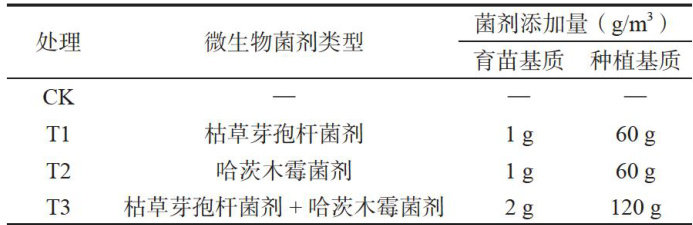
打开文本图片集
中图分类号:S641.2 文献标识码:A 文章编号:1006-060X(2026)01-0045-06
Abstract:TisstudyistoinvestigatetheeffectofadditingBacilussubilisd/orrichodearznumagentstothesbstrate onthegrowthyield,andbactealwilticidenceoftomatoplants.Thetomatoaietyyubaoshwasplantedintheubstratesded with B subtilisagent(T1),T.harianumagent(T2),mixedmicrobialagent(T3),andnomicrobialagent(CK).Thegeration indicators,ingothtitgrooicitsfatueplats,ielddacteraliltideereteaicalld Theresultsshowedthatduringtheseedlingcultivationstage,thegerminationrateandvigorofT1werethehighest,andThadthe mostsignificantctofpromotngsedigrowthwithteghestotlength,planthight,umbeofalleavedle plantfresh weighturingtheplantingstage,Tsowedthebestcomprhensiveperformanceinpromotinggrowth,creasingield, and preventingdisease,withteghestplantheight,stemdameter,andingleplantyield.Talsoemonstratedgoodplantgowt promotingaddiseas-preventingefect,whileitsyieldperformancewasslghtlyinferior.AlthoughT3exertedcertanplatgrowth promotinganddisease-prevetingecttoughoutthetieexperimentalpriod,itsprformanceasiferiortotatofgle bacterial agent.To sumup,adding T harzianum tothe substrate hadobvious advantages ingrowth-promoting,andadding B subtilis to thesubstratehadteestyield-increasingefectBothcansignificantlyeducetebacterialiltincidene.Therefore,itwassgsted that T. harzianum can be added during the seedling stage in tomato production to cultivate strong sedlings,and B subtilis can be added after transplanting to increase the yield and prevent bacterial wilt.
Keywords:tomato;microbial agents;tomato yield;bacterial wilt
番茄(Solanumlycopersicum)原产于南美洲,是茄科茄属一年生或多年生草本植物。(剩余5525字)